Why Shellfish Restoration Matters
Oysters, mussels, clams, and other shellfish are among the most ecologically powerful animals on the planet. Once abundant in coastal waters worldwide, their populations have collapsed — and restoring them is one of the highest-impact investments we can make in ocean health.
A Crisis of Staggering Scale
Oyster reefs are among the most threatened marine habitats on Earth — 85% of global oyster reef area has been lost since the 19th century. In some estuaries, populations have declined by more than 99%. Mussels, clams, scallops, and other shellfish face similar crises across every ocean basin—yet restoration works.
of global oyster reef area lost since the 1800s
of water a single adult oyster can filter — an acre of oysters filters over 1 billion gallons per day
species of fish and invertebrates use oyster reefs as critical nursery habitat
What Shellfish Do for the Ocean — and for Us
Shellfish provide a remarkable suite of ecological services that benefit marine life, coastal communities, and the global climate.
💧 Water Filtration
Filter feeders like oysters and mussels remove nitrogen, phosphorus, algae, and suspended sediments from the water column. A single adult oyster filters up to 50 gallons per day, dramatically improving water clarity and reducing harmful algal blooms.
🐟 Habitat Creation
Shellfish reefs and beds create complex three-dimensional habitat for dozens of species. Oyster reefs support juvenile fish nurseries, forage fish populations, crabs, worms, and invertebrates — forming the base of healthy coastal food webs.
🌊 Coastal Protection
Oyster reefs and mussel beds act as living breakwaters, dissipating wave energy and reducing shoreline erosion. As sea levels rise and storms intensify, restored shellfish reefs provide nature-based coastal protection for vulnerable communities.
🌿 Carbon Sequestration
Shellfish sequester carbon in their shells and in the organic-rich sediments that accumulate beneath reef structures. Healthy shellfish ecosystems contribute to "blue carbon" storage, helping offset greenhouse gas emissions.
🌱 Nutrient Cycling
By removing excess nutrients from the water and depositing them as biodeposits on the seafloor, shellfish help regulate nutrient cycling in estuaries — counteracting the effects of agricultural and urban runoff.
🍽️ Food Security
Shellfish have sustained coastal communities for thousands of years. Restoration supports sustainable wild harvest, aquaculture, and the food sovereignty of Indigenous and coastal communities with deep cultural connections to shellfish.
Why Shellfish Populations Collapsed
The decline of shellfish is a story of compounding pressures — many of which continue today.
Overharvesting
Historic commercial harvest removed shellfish populations far faster than they could reproduce, collapsing once-abundant reefs in estuary after estuary throughout the 19th and 20th centuries.
Habitat Loss & Dredging
Dredging for harvest, navigation, and land reclamation destroyed the reef structure that shellfish depend on and that juvenile shellfish need to settle and grow.
Water Quality Degradation
Agricultural runoff, sewage discharge, and stormwater pollution have degraded coastal water quality worldwide, making many areas unsuitable for shellfish growth or harvest.
Disease
Parasitic diseases like Dermo and MSX have devastated oyster populations along the US East Coast and elsewhere, often exacerbated by warmer waters and stressed, depleted populations.
Invasive Species
Non-native predators and competitors — introduced through ballast water, aquaculture, or natural range expansion — have disrupted native shellfish populations in many regions.
Ocean Acidification
Rising atmospheric CO₂ is making ocean water more acidic, threatening the ability of shellfish to build and maintain their shells — a growing threat particularly on the US West Coast.
Species at the Center of Restoration
Restoration efforts focus on native shellfish species that once dominated coastal ecosystems and continue to hold ecological, cultural, and economic importance.
Oysters
Keystone reef-builders found on every inhabited continent. Native species include the Eastern oyster, Olympia oyster, European flat oyster, and Sydney rock oyster.
Mussels
Form dense intertidal and subtidal beds that provide habitat and food for birds, fish, and invertebrates. Native mussel restoration is expanding in Europe, North America, and Australia.
Clams
Softshell clams, geoducks, Manila clams, and native littlenecks are central to Indigenous food systems. Clam gardens — a traditional Indigenous practice — are being revived across the Pacific Northwest.
Scallops
Once abundant in many coastal regions, scallop populations have been severely depleted. Restoration efforts are underway in New England, the UK, and Australia.
Abalone
Culturally and ecologically significant across the Pacific, abalone have been devastated by poaching, disease, and warming waters. Several species are now endangered.
Horse Mussels & Pen Shells
Large, long-lived bivalves that form complex biogenic habitats in subtidal areas, supporting diverse communities of associated species — and increasingly targeted for restoration.
Restoration Works
Decades of research and practice have demonstrated that shellfish restoration can succeed — and that the benefits extend far beyond the shellfish themselves.
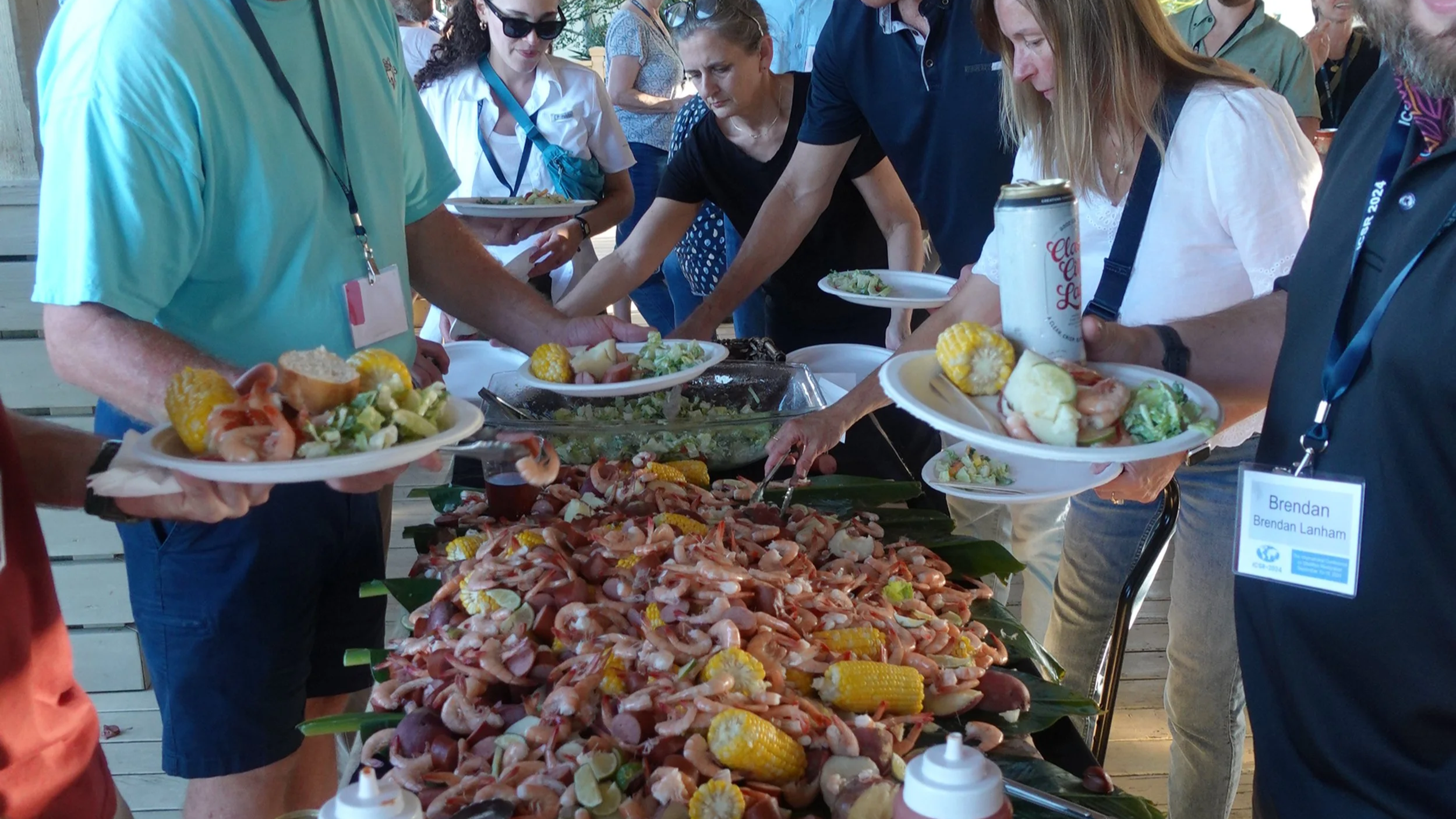
Science-Backed Techniques
From reef substrate enhancement and spat seeding to living shoreline design, practitioners have developed a toolkit of proven methods that can be adapted to local conditions and species.
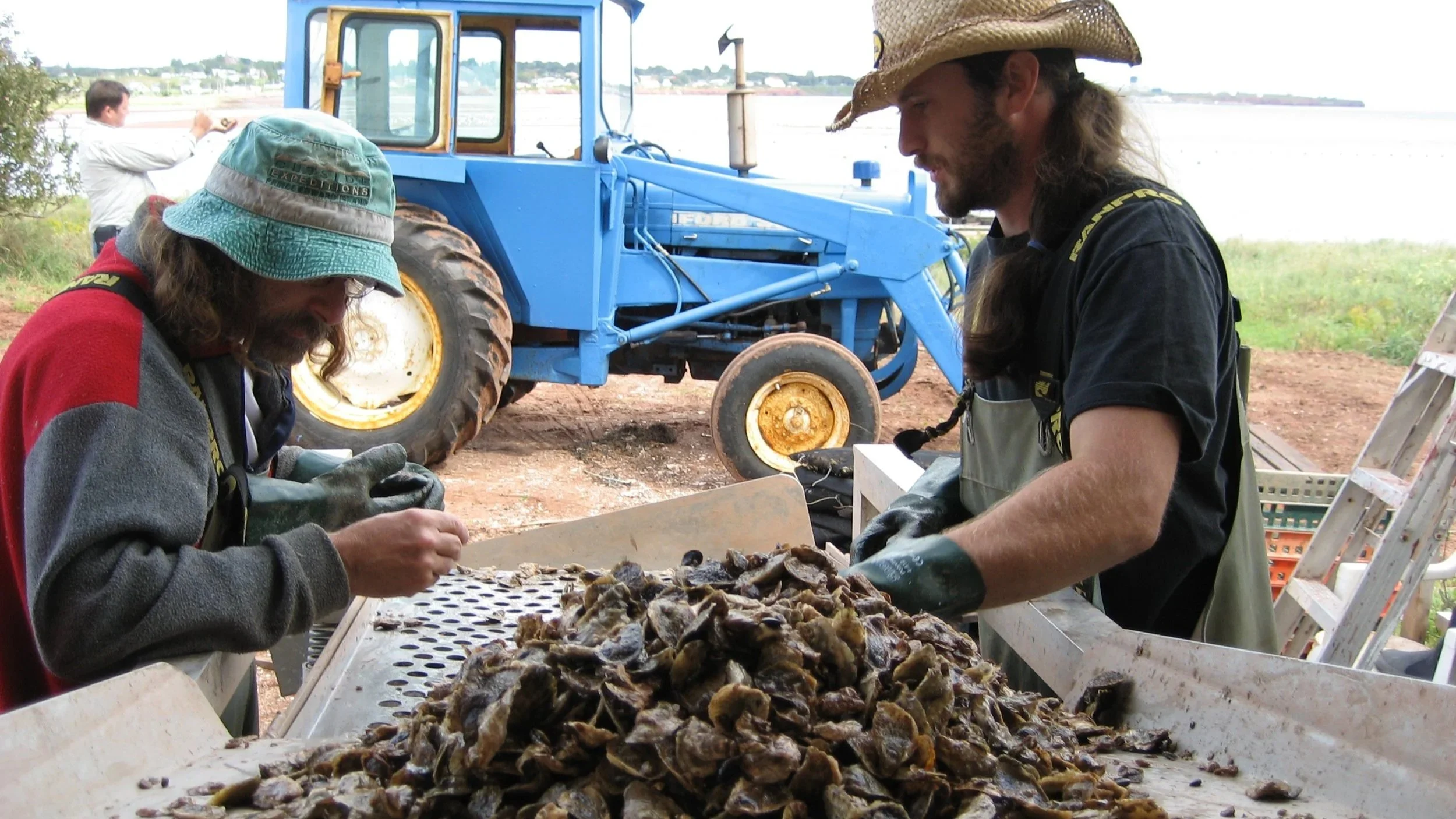
Community-Led Projects
The most successful restoration efforts combine scientific expertise with Indigenous knowledge, local stewardship, and community engagement — building durable programs with lasting ecological and social outcomes.
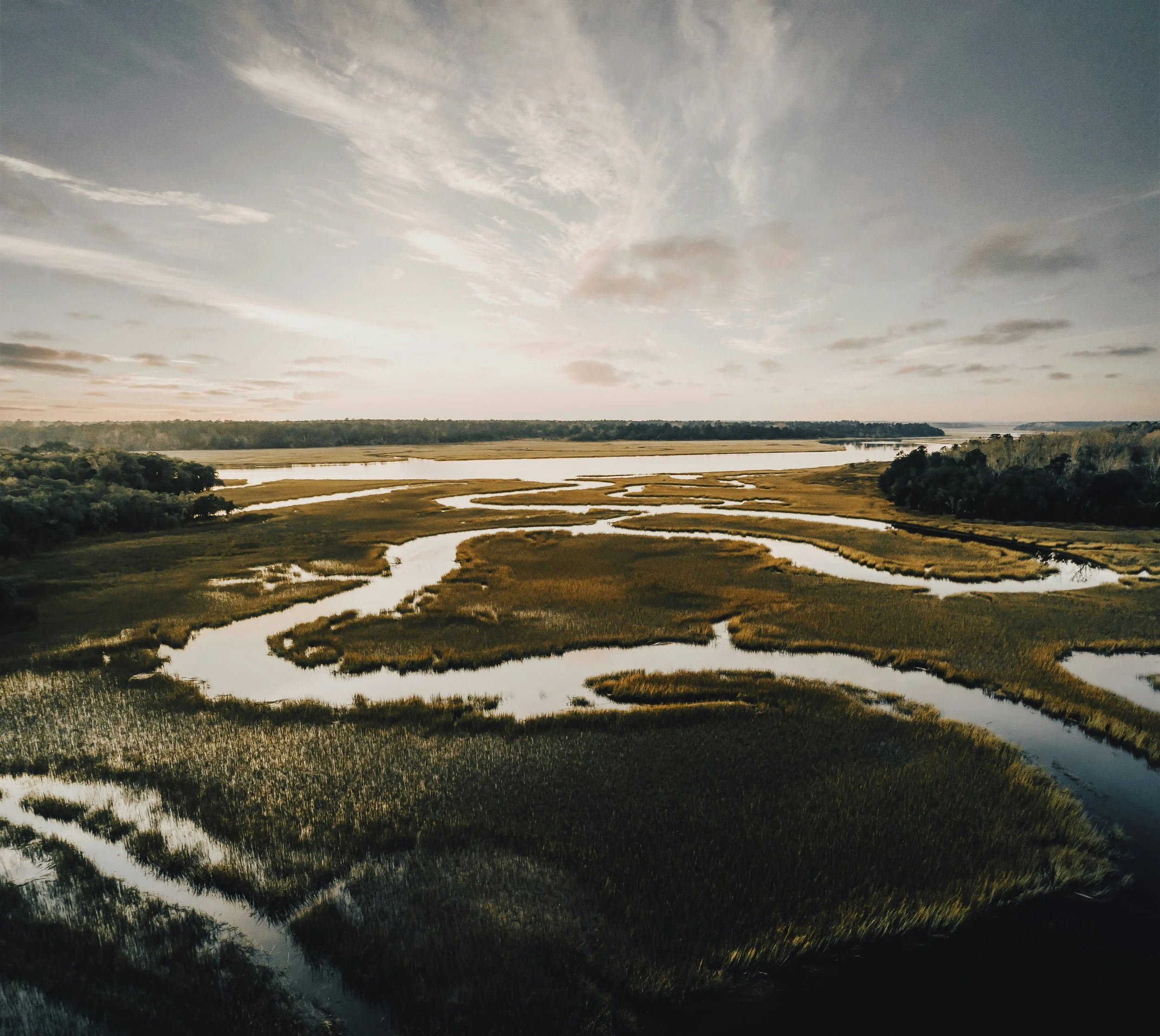
Measurable Results
Restored shellfish reefs show rapid increases in biodiversity, water clarity, and shoreline stability. Long-term monitoring programs are documenting the trajectory of recovery at sites worldwide.
Examples from Around the World
- Chesapeake Bay oyster restoration has rebuilt millions of bushels of oysters, measurably improving water quality in restored tributaries
- European native flat oyster restoration is re-establishing reef habitats lost for over a century in the North Sea and British Isles
- Pacific Northwest Tribal clam garden revival integrates Indigenous stewardship with modern restoration science
- Urban oyster reef projects in New York Harbor, Sydney Harbour, and Rotterdam are transforming degraded coastal habitats
- Australian flat oyster restoration along the southern coast is demonstrating rapid ecosystem recovery
Join the Global Restoration Community
ISRS connects scientists, practitioners, Indigenous communities, and policymakers worldwide to accelerate shellfish restoration — sharing knowledge, building capacity, and advancing the science and practice of recovery.